

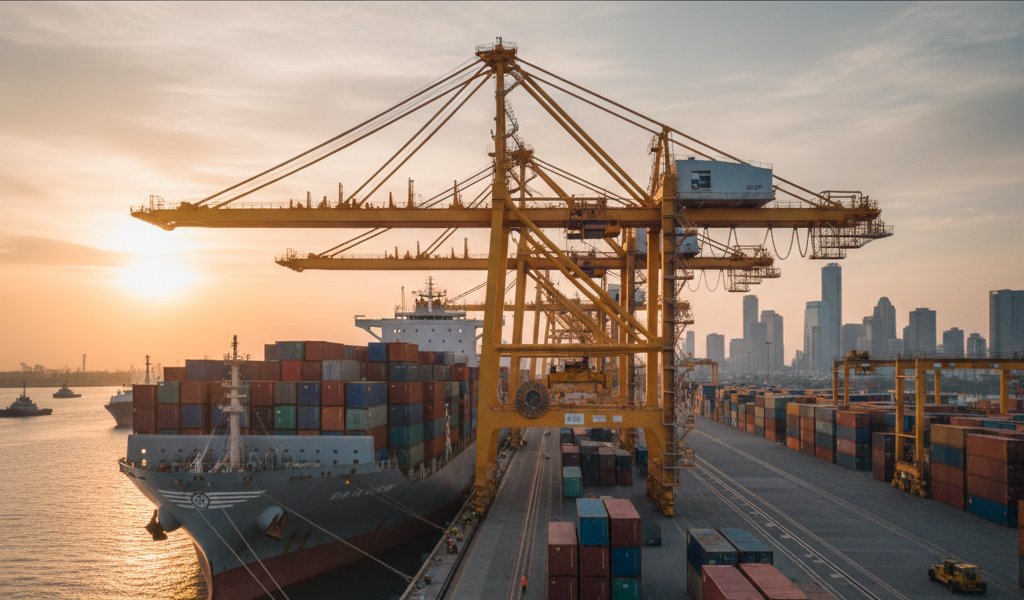

Jones Act Impact on US Shipping: Costs, Trade, and Policy Debate
The Jones Act impact on US shipping continues to be a major topic of discussion among policymakers, economists, and maritime industry stakeholders. Formally known as the Merchant Marine Act of 1920, the law regulates domestic maritime commerce in the United States and requires that goods transported between U.S. ports be carried on ships that are built, owned, and operated by Americans.
More than a century after its enactment, the law remains influential in shaping the structure of the U.S. maritime industry. Supporters argue it protects national security and supports domestic shipbuilding, while critics say it raises shipping costs and reduces competition. As global supply chains evolve, the debate surrounding the Jones Act impact on US shipping has become increasingly relevant.
Overview of the Jones Act and Its Role in US Maritime Policy
The Jones Act is a key piece of U.S. maritime legislation designed to support a strong domestic shipping industry. The law requires that vessels transporting cargo between U.S. ports meet several conditions:
- Ships must be built in the United States
- Ships must be owned by U.S. citizens or companies
- Ships must be flagged under the United States
- Crew members must be U.S. citizens or permanent residents
These requirements apply to domestic maritime routes, also known as the cabotage trade. The regulation has shaped the U.S. shipping landscape for decades and continues to influence industry investment and logistics planning.
Historical Background of the Merchant Marine Act
Origins and Strategic Purpose
The Merchant Marine Act was introduced after World War I when U.S. leaders recognized the importance of having a strong domestic fleet. The law aimed to ensure the country had enough merchant vessels and trained seafarers to support military operations and commercial trade during emergencies.
Over time, the law became closely tied to economic policy as well as national defense strategy. The government viewed a stable maritime workforce and shipbuilding sector as critical infrastructure.
Evolution Over the Last Century
Although the law has remained largely intact, debates about modernization and reform have emerged repeatedly. Industry changes, globalization, and shifting trade patterns have fueled ongoing discussions about whether the policy still serves its original purpose effectively.
Key Developments in the Jones Act Impact on US Shipping
The Jones Act impact on US shipping updates frequently appear in discussions about domestic logistics, energy transportation, and regional supply chains. Several major developments have shaped the conversation.
Rising Shipbuilding Costs
One of the most widely discussed effects is the cost of constructing ships in the United States. Domestic shipyards typically have higher production costs compared with international facilities. As a result, vessels built under Jones Act rules can cost significantly more than similar ships built overseas.
Limited Fleet Size
Because of high construction costs and regulatory requirements, the number of Jones Act-qualified vessels is relatively limited. Industry analysts say this affects shipping capacity for certain domestic routes.
Regional Shipping Effects
Regions such as Alaska, Hawaii, Puerto Rico, and Guam often play a central role in the policy debate. These areas rely heavily on maritime shipping for essential goods and supplies.
Latest News and Policy Discussions
The Jones Act impact on US shipping latest news often emerges during discussions about supply chain resilience and economic policy. Government officials periodically review the law in the context of infrastructure, trade, and disaster response.
In certain situations, temporary waivers of the Jones Act have been issued during national emergencies to allow foreign vessels to transport goods between U.S. ports. These waivers are typically short-term measures intended to address urgent supply disruptions.
Recent policy conversations have focused on how the law interacts with modern shipping demands, including energy transport and domestic trade logistics.
Economic Analysis of the Jones Act Impact on US Shipping
Shipping Costs and Market Competition
Economic studies often analyze whether the Jones Act affects transportation costs for domestic shipping routes. Critics argue that limited competition may contribute to higher freight prices. Supporters counter that the law protects critical infrastructure and ensures consistent maritime employment.
Impact on Domestic Shipbuilding
The law has helped sustain a specialized domestic shipbuilding sector focused on commercial vessels that meet regulatory standards. This segment of the industry supports shipyards, engineering firms, and maritime training institutions.
Employment in the Maritime Workforce
The Jones Act also supports jobs for American mariners, including ship crews, engineers, and maritime logistics professionals. Industry groups often emphasize the workforce development benefits tied to the policy.
Energy Transportation and Domestic Trade
Another area frequently examined in Jones Act impact on US shipping analysis is energy transportation. Tankers operating under the law transport petroleum products between U.S. ports, particularly along the Gulf Coast and East Coast.
Changes in domestic energy production and trade patterns have influenced how policymakers view the law’s role in maintaining reliable supply routes.
Future Outlook and Jones Act Impact on US Shipping Predictions
The Jones Act impact on US shipping predictions vary widely depending on economic, political, and technological factors. Experts say several trends could shape future policy discussions:
- Supply chain resilience strategies
- Infrastructure investment in U.S. shipyards
- Advancements in maritime technology
- Environmental and emissions regulations
- Changes in global trade dynamics
Some analysts expect incremental reforms rather than sweeping legislative changes. Others believe broader maritime modernization initiatives could eventually reshape domestic shipping policy.
Conclusion: Understanding the Jones Act Impact on US Shipping
The Jones Act impact on US shipping remains a complex and evolving issue that touches national security, economic policy, and trade logistics. While supporters highlight its role in protecting the domestic maritime sector and ensuring a skilled workforce, critics focus on cost and efficiency concerns.
As global trade continues to evolve and supply chains become more complex, policymakers are likely to keep examining the law’s long-term implications. For now, the Jones Act remains one of the most influential regulations governing domestic maritime commerce in the United States.
Frequently Asked Questions
What is the Jones Act in US shipping?
The Jones Act is a U.S. federal law requiring goods transported between American ports to be carried on ships built, owned, and operated by U.S. citizens or companies.
Why was the Jones Act created?
The law was introduced in 1920 to strengthen the U.S. merchant marine, support domestic shipbuilding, and ensure maritime readiness during national emergencies.
How does the Jones Act affect shipping costs?
Some analysts argue that the law can increase shipping costs due to limited competition and higher domestic shipbuilding expenses.
Does the Jones Act apply to international shipping?
No. The law only applies to domestic shipping routes between U.S. ports and does not regulate international maritime trade.
Are there exceptions to the Jones Act?
Temporary waivers may be issued during national emergencies or disasters when additional shipping capacity is required.
Will the Jones Act change in the future?
Policy discussions continue, but major reforms would require congressional action. Analysts expect ongoing debate about modernization and economic impact.